 ScienceSoft Global


Meet ScienceSoft’s Experts — the People Who Will Drive Your Project to Success
This page is devoted to the main driving force behind ScienceSoft — our people — and shows how we compose cross-functional teams that deliver consistent results, no matter the challenges.
Organized Around Outcomes
At ScienceSoft, we’ve structured our team into four tightly connected units, each focused on delivering results, not just following tech silos. This approach keeps decision-making fast, accountability clear, and collaboration seamless. By connecting expertise across these areas, our teams turn complex challenges into real, working solutions.
.png)
This unit develops, empowers, and continuously trains project managers to lead our clients’ health IT initiatives. The PMO establishes the frameworks, methodologies, and mentorship programs that ensure every PM at ScienceSoft operates with precision and ownership. Our 45+ certified project managers are trained to prioritize your clinical and operational goals, anticipate risks, and lead healthtech initiatives to success despite emerging changes and constraints.

This unit safeguards your project’s long-term success by minimizing technical risks and ensuring that every healthcare IT solution is secure, compliant, cost-effective, and reliable. Nine principal architects, each with over 15 years of hands-on experience in designing high-impact medical systems, lead the way. They continuously evaluate new technologies and improve our architectural practice, acting as consultants for critical project decisions.

This unit ensures that our people outperform the market. It is a team of 40+ senior experts in medical technologies, niche IT services (e.g., infrastructure, cybersecurity), and key healthcare domains, such as clinical care, consumer wellness, clinical research, etc. They run training programs, create personalized growth plans, and coach our talents. Their mission is to ensure that every person we assign to your project is fully prepared — technically, strategically, and contextually.
Competency Pool
Among our 600+ IT specialists are software and QA engineers, data scientists, DevOps, security, and compliance experts, business analysts, UX/UI designers, and other professionals who are continuously maintained and trained by the Technology and Competency CoE. Over 50% of all our tech talents are senior and lead-level specialists. From this pool, project managers and solution architects assemble cross-functional teams centered around each healthcare IT project’s unique needs and goals.
A pool of 750+ IT specialists — mobilized by project
Healthcare IT consulting and business analysis
Domain-focused experts who shape the vision of healthcare IT solutions: for diagnostics, care delivery, patient engagement, revenue cycle management, fitness and wellness, and more. They structure requirements and plan medical software for accuracy, reliability, and compliant operations, grounding every project in real-world clinical and administrative value.
Medical software engineering
Developers, platform engineers, and integration specialists who bring together deep technical expertise across modern and legacy stacks — from .NET and Java to big data, AR/VR, and IoMT — and form the reliable core of our medical software delivery teams.
AI and data science for healthcare
AI engineers, GenAI consultants, and MLOps experts who turn the healthcare organization's complex goals into intelligent solutions and ensure each AI-powered solution is designed for transparency and compliance, fine-tuned for accuracy and performance, and optimized for costs.
Data management and analytics
Data experts, from data processing pipeline engineers to business intelligence (BI) analysts, who make sure that the right data for clinical and operational automation is always available, structured, secure, and actionable.

Cybersecurity and compliance management
Ethical hackers, compliance consultants, and security engineers who create a robust defense layer across healthcare solutions, embedding security into architecture and operations from day one and helping clients stay protected and compliant.
Quality assurance and testing
QA consultants and engineers, including manual and automation testers covering functional, performance, security, and accessibility testing, who help us deliver accurate, stable, and user-ready medical software.
Healthcare IT infrastructure management and DevOps
From cloud architects to SREs and DevOps engineers, these people ensure that our digital health solutions are not only well-built but also easy to deploy, scale, and maintain — keeping performance high and costs in check.
Healthcare IT operations and support
Multilingual professionals who combine technical skills with a proactive mindset. From resolving user issues to optimizing medical IT systems and processes, they’re the people who keep digital health operations running smoothly.
UX/UI design
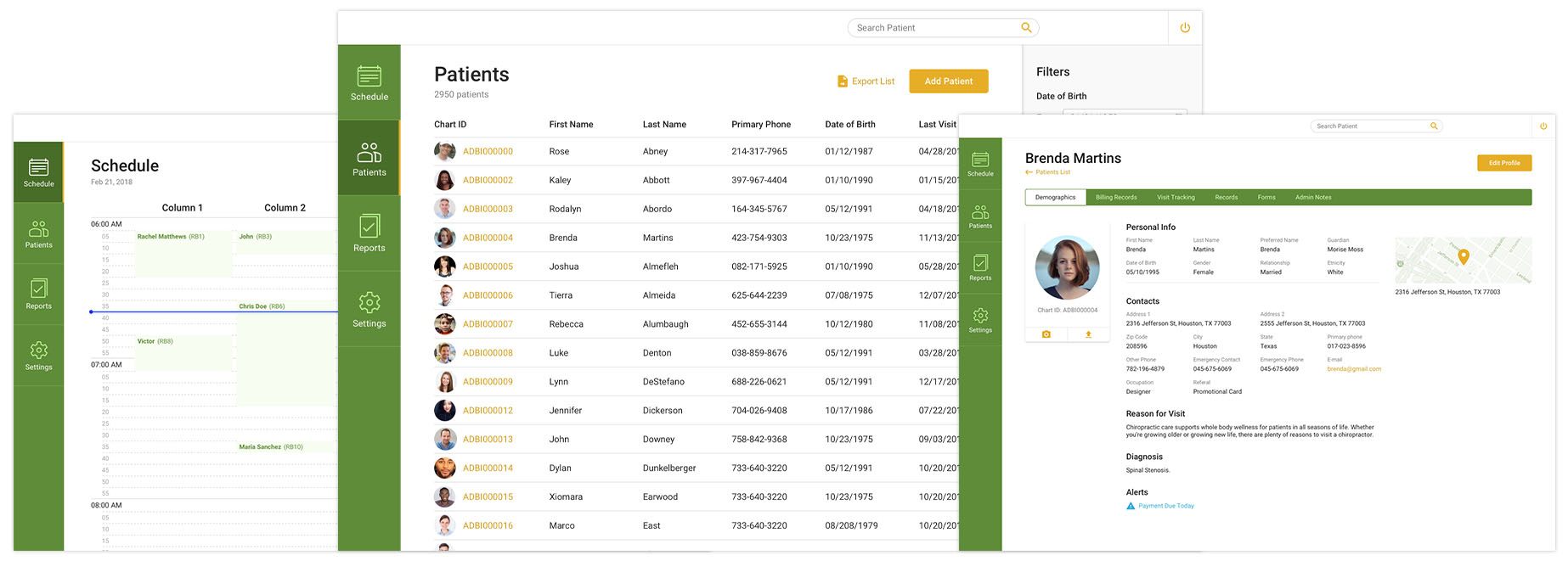
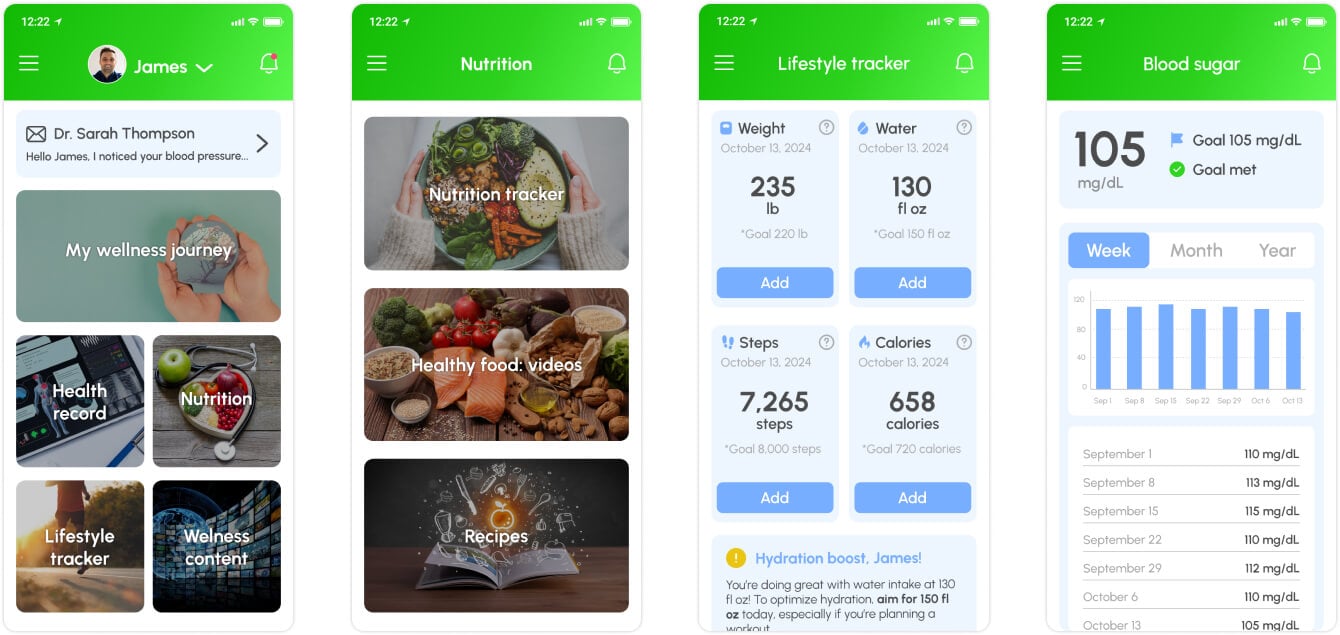
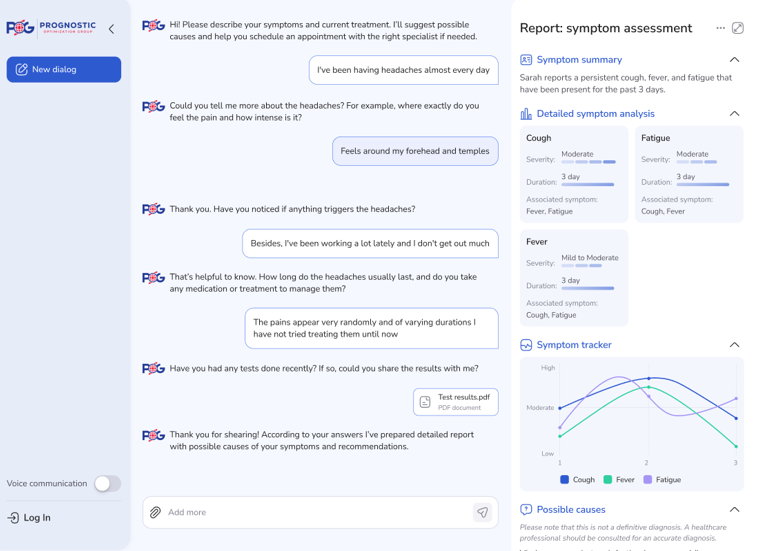
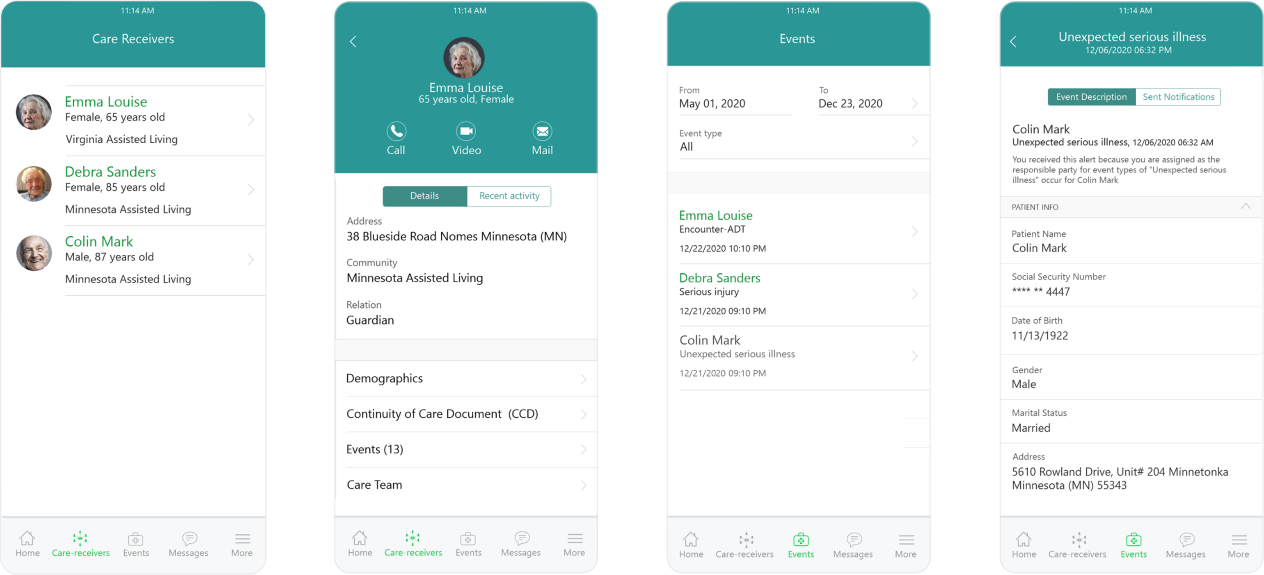
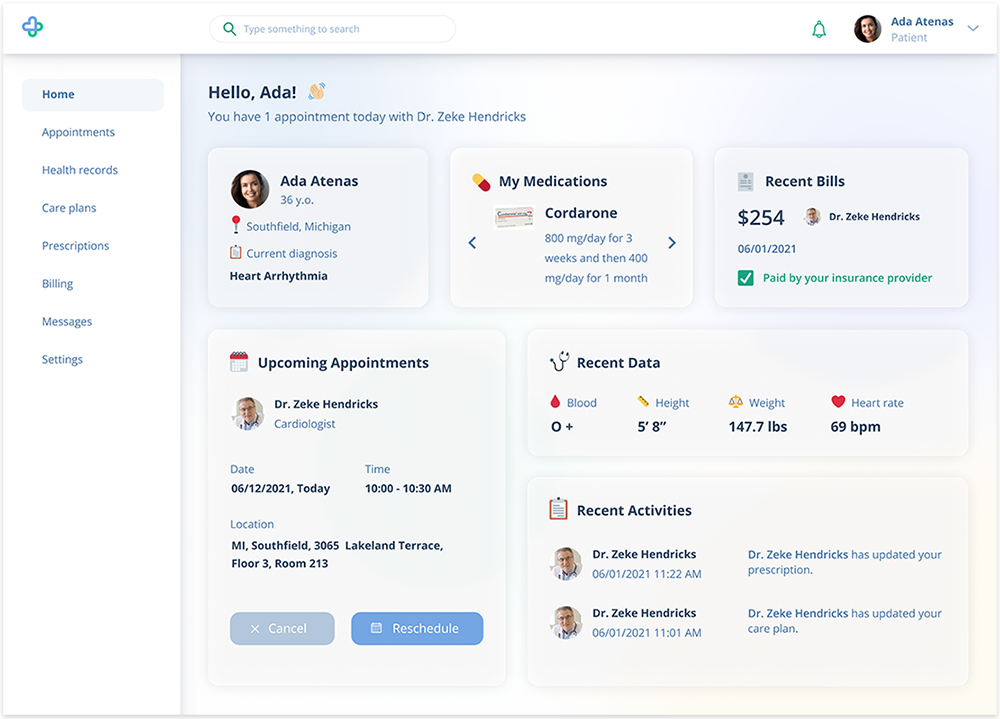
UX and UI designers who create human-centered, frictionless, visually balanced designs of medical applications and ensure rich data visualization and user convenience in complex clinical automation and analytics systems.
Project Management Office (PMO): Planning and Acting
-
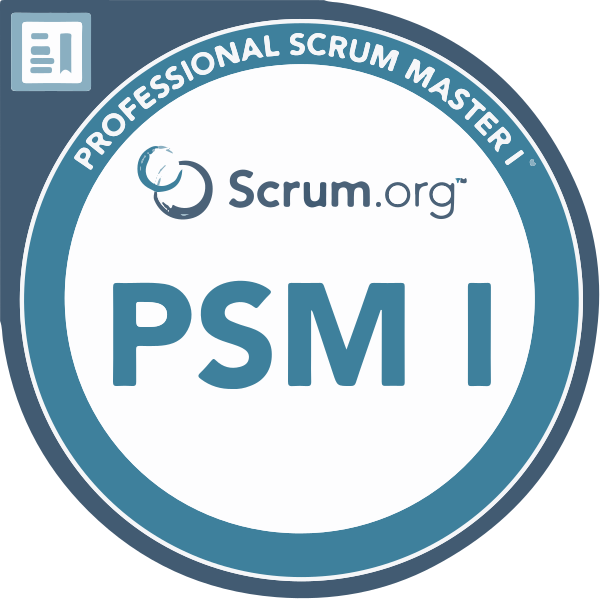
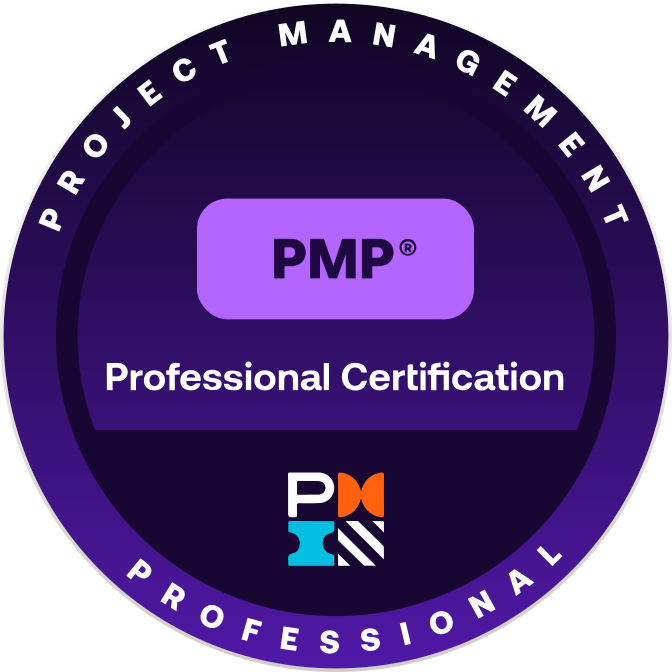
45+ full-time project managers (PMs) with industry-recognized certifications, such as PMP, PSM, PMI-ACP, PMI-PMOCP, CSM, PSPO, ITIL 4, CSPO, and ICP-APM.
- We employ project managers with expertise in healthcare domains (e.g., clinical care, consumer wellness, pharma, clinical research) and service directions (e.g., legacy medical software modernization, testing, IT support). They see what others miss: hidden risks, cost- and time-saving opportunities, and smarter paths forward.

- Our PMs do far more than just team coordination. They take full ownership of your project’s success and handle the arising challenges, be it tight deadlines, constrained budgets, rapidly evolving scope, or competing priorities. PMs’ responsibilities include project planning and estimation, management of change requests, risks, timelines, and budget, aligning multiple stakeholders, managing distributed teams, and ensuring smooth and transparent collaboration.
- We don’t leave PM performance to chance — it’s rigorously measured, audited, and enhanced. Externally, we track all key project health indicators, analyze formal and informal client feedback (including NPS and retention), and monitor project outcome quality. Internally, we audit how well our established best practices are followed during real project delivery and track how our PMs grow — earning new certifications, mentoring others, and stepping up to more complex leadership roles.
- 60% of client reviews on software engineering projects from 2019–2025 specifically highlighted project management excellence at ScienceSoft.
Architecture and Solutions Center of Excellence: Innovating and Creating
-
A team of 30+ solution and technology architects. We’re proud to say that the architect density — the ratio of architects to overall technical staff — at ScienceSoft is 2–3x higher than the industry average. This ensures a dedicated architect for every healthcare software project and encourages dialogue and continuous innovation.
- Our architects hold top certifications in the field, from AWS Solutions Architect and Azure Solutions Architect to TOGAF and IASA CITA.
- Nine principal architects, each with over 15 years of hands-on experience in building global-scale digital health systems and innovative medical solutions, are the backbone of the Architecture and Solutions CoE. Their mission goes beyond architecture design for individual projects:
- They set the architectural vision and strategy across ScienceSoft.
- They mentor and train senior and middle architects, nurturing deep technical expertise and business-oriented thinking.
- They lead the adoption of modern technologies and architecture paradigms, helping our teams embrace innovation in a way that fits real-world needs and doesn’t introduce unnecessary risks.
- They ensure architecture stays a driver of business outcomes — not just a layer of documentation.



Technology and Competency Center of Excellence: Elevating and Empowering
-
A team of 40+ niche experts in specific service areas (e.g., engineering, QA, cybersecurity), healthcare fields (primary and specialty medical care, fitness and wellness, clinical research, etc.), region-specific regulations (e.g., HIPAA, FDA for the US, GDPR, MDR for the EU), and value-driving medical technologies (AI/ML, big data, IoMT).
- They lead all technical hiring at ScienceSoft, conducting rigorous interviews and assessments to recruit and retain top talent.
- They foster a mentorship culture by pairing senior members with new hires to accelerate knowledge transfer and skill development.
- They create personalized development plans for every team member and manage training, workshops, certifications, and conferences.
- They work closely with resource managers to assemble well-matched project teams that are aligned with client needs.
- They conduct formal performance evaluations for all our team members, offering in-depth feedback on accomplishments, goal progress, and opportunities for growth.
Competency Pool: Assembling and Delivering
We hire only the top 2% of applicants and maintain a senior-heavy talent pool — over 50% of our 600+ tech experts are seniors and leads. But it’s our internal structure and training that turn this talent into reliable teams that drive consistent results. With continuous mentoring, coaching, strong collaboration, and a unified delivery culture, our professionals work as a cohesive unit, no matter which technology or industry vertical they belong to. This enables us to quickly assemble cross-functional teams that work in sync from day one — fully aligned with your goals, timelines, and domain specifics.
All Skill Sets Under One Roof, Ready to Deliver
Healthcare IT consulting and business analysis
- A total of 40+ business analysts who provide strategic guidance and practical assistance in healthcare digital transformation, medical software engineering and modernization, advanced technology adoption, organizing and optimizing health IT processes.
- Healthcare IT consultants with deep expertise in industry verticals, including primary and specialty medical care, fitness and wellness, veterinary medicine, pharma, clinical research, and more. We employ consultants with professional experience in their target fields — e.g., medical education and previous experience working in clinical settings.
- Product owners who drive continuous improvement of user engagement and conversion through iterative, data-informed medical software design and feature refinement.


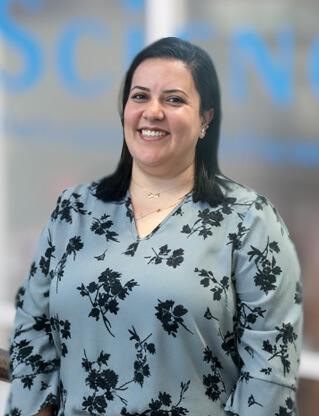

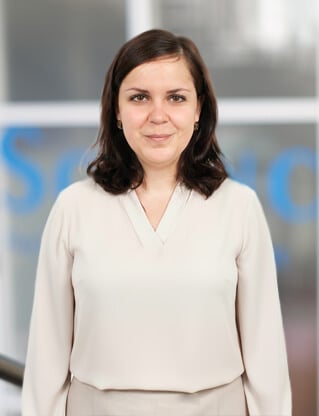


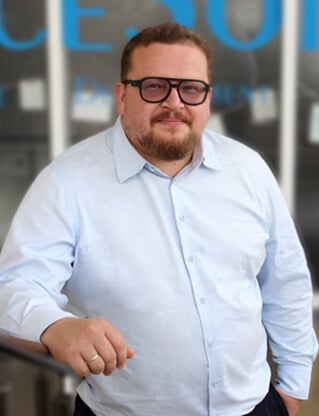
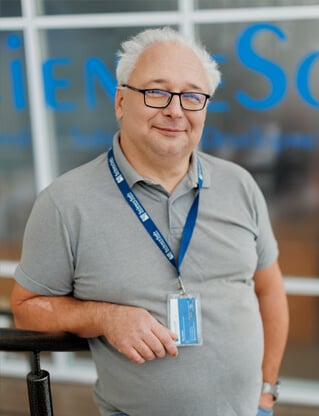
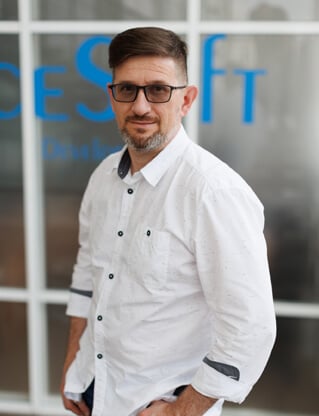
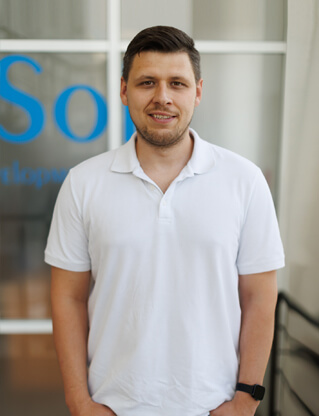
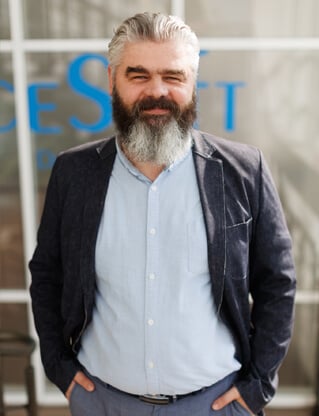
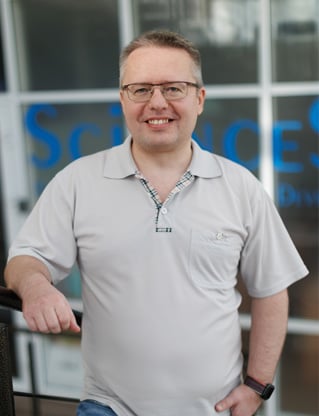
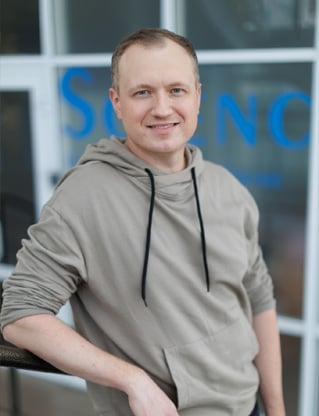
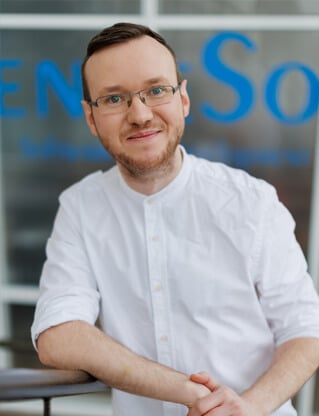
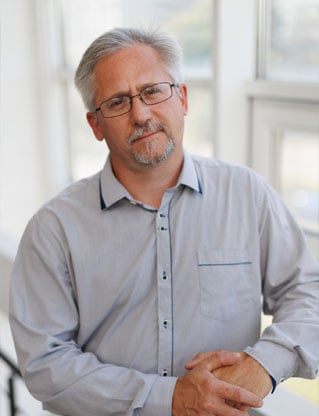
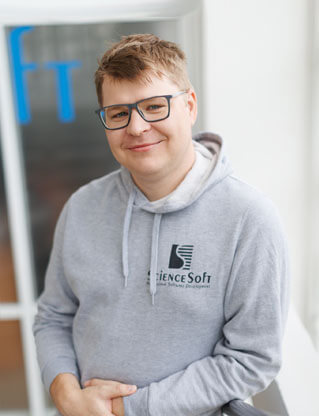
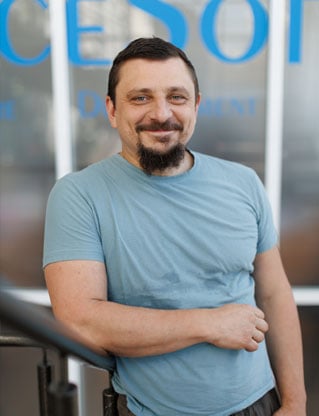
Our experts are available for direct press inquiries
|
|
Head of Healthcare IT Practice, Presales Manager |
|
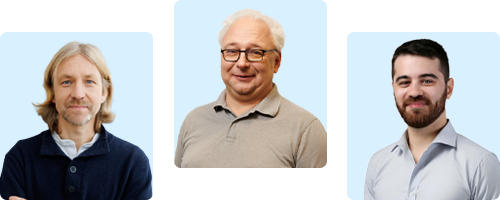
Kate Lukina, MD Healthcare IT & AI Consultant |
|
|
Senior Healthcare IT & AI Consultant |
|
Senior Healthcare IT & AI Consultant and Business Analyst |
|
|
Healthcare IT Consultant and Business Analyst |
|
Healthcare IT & AI Consultant and Business Analyst |
|
|
Healthcare IT & AI Consultant |
|
Compliance Officer, Healthcare and Finance IT Compliance Consultant |
|
|
Insurance IT Consultant and Lead Business Analyst |
|
Project Manager, Healthcare IT |








Healthcare software engineering
- A team of 500+ developers, powered by experience. 50%+ are senior or lead engineers with 9–20 years in the field.
- Back-end engineers with a strong command of Java, .NET, Python, Node.js, Go, PHP, Ruby, and C++.
- Cloud-native developers who build microservices, serverless, and event-driven healthcare solution architectures on AWS, Azure, and GCP services.
- Platform engineers proficient in the administration and customization of enterprise-grade systems like Dynamics 365, SharePoint, ServiceNow, Oracle, Salesforce, SAP, and more.
- Front-end developers skilled in all popular front-end technologies and frameworks, including JavaScript, TypeScript, React, Angular, and Vue.js.
- Mobile developers delivering health apps based on native iOS (Swift, Objective-C), Android (Kotlin, Java), and cross-platform technologies (e.g., Flutter, React Native).
- Integration engineers (including HL7® FHIR® certified implementers) ready to deliver custom APIs, middleware, and out-of-the-box software integrations (e.g., Boomi, Talend, TIBCO, MuleSoft, Informatica).
- Medical software modernization engineers skilled in refactoring or rebuilding legacy apps written in COBOL, Delphi, VB6, classic ASP, or older Java and .NET frameworks.
- Blockchain developers who build decentralized systems and custom protocols on Ethereum, Solana, NEAR, Polkadot, and other networks.
- Smart contract developers skilled in Solidity, Vyper, and Rust.

Companies that trust us








AI and data science for healthcare
- AI and machine learning (ML) engineers with expertise in GenAI, natural language processing, computer vision, recommendation engines, and anomaly detection systems for the healthcare domain, including areas like diagnostics, medical image analysis, and voice scheduling.
- AI consultants who advise our clients on how to translate business goals into efficient, high-ROI AI solutions. They draft AI technology roadmaps in alignment with the organization's risk management practices, data security standards, and relevant regulatory frameworks. They also guide the adoption of AI solutions with a strong focus on model accuracy, explainability, fairness, and ethical use — making sure medical AI is deployed responsibly and sustainably.
- Prompt engineers and architects who integrate pretrained LLMs (e.g., GPT, LLaMA, Claude, Gemini) into custom software and domain-specific workflows (for clinical documentation, medical coding, patient communication, etc.).
- Machine learning and deep learning model designers and trainers who tune model performance, accuracy, and generalization.
- MLOps and cloud ML specialists who set up and optimize model lifecycle automation, deployment orchestration, scaling, versioning, and cross-environment reproducibility.
- TCO analysts dedicated to optimizing infrastructure and medical AI workload expenses across both cloud and on-premises deployments.
Data management and analytics
- Data architects who design scalable and secure healthcare data storage solutions — data lakes, warehouses, and lakehouses — on Snowflake, Azure Databricks, Amazon Redshift, Google BigQuery, Azure Synapse, and beyond.
- Data processing engineers who design and build high-performance batch or real-time data pipelines using tools like Hadoop, Apache Spark, Kafka, Flink, Airflow, and their cloud-native equivalents like AWS Glue, AWS Kinesis, Azure Databricks, Azure Stream Analytics, and Google Dataflow.
- Database administrators who handle performance tuning, data replication, high availability configurations, and backup and recovery processes across SQL (PostgreSQL, MySQL, MS SQL Server, Oracle) and NoSQL (MongoDB, Cassandra, DynamoDB) ecosystems.
- ETL/ELT specialists who build resilient pipelines for extracting clinical data from diverse systems, transforming it into structured formats, and loading it into centralized storage for efficient search and analytics.
- Data governance experts who establish policies, lineage tracking, cataloging, and security controls in compliance with internal and globally recognized rules and standards such as HIPAA, GDPR, 21 CFR Part 11, and ISO 27001.
- Metadata management and master data management professionals enabling organization-wide data consistency, discoverability, and quality across business directions (e.g., patients, providers, revenue cycle, clinical and administrative operations) and technical domains (e.g., servers, applications, data sources).
- Business intelligence (BI) developers and analysts delivering intuitive and high-performing dashboards using Power BI, Tableau, Looker, and other leading BI tools.
Cybersecurity and compliance management
- Certified Ethical Hackers and security testers who conduct regular penetration testing and vulnerability assessments to detect and eliminate exploitable weaknesses in medical software solutions.
- Security architects, consultants, and engineers who identify and prioritize potential risks to sensitive data and compliance. They design organization-wide security programs and governance frameworks, embed security-by-design principles into IT architecture, and ensure adherence to globally recognized standards, including NIST CSF, OWASP ASVS, CIS Benchmarks, and ISO 27001.
- SIEM, SOAR, and XDR specialists who build and fine-tune centralized threat detection and automated response systems to provide continuous threat visibility and enable rapid incident resolution.
- Incident response specialists who are ready to contain a healthcare IT security incident, investigate its scope, and work with your organization to remediate the issue and prevent future security events.
- Cloud security experts for AWS, Azure, and GCP, ensuring robust protection across multi-cloud and hybrid digital health environments.
- DevSecOps engineers who enable automated security checks and controls throughout CI/CD pipelines.
- Compliance consultants well-versed in HIPAA, HITECH, 21 CFR Part 11, GDPR, ISO 13485, and other key standards and regulatory frameworks.
Quality assurance and testing
- 75+ QA engineers providing full-cycle testing across web, mobile, desktop, and SaaS digital health applications — averaging 10 years of hands-on experience.
- Specialized testers for AI-powered, blockchain-based, and IoMT-supported medical solutions.
- Test automation engineers proficient in Selenium, Protractor, Apache JMeter, Ranorex, REST-assured, Appium, TestNG, etc., and building custom automation frameworks.
- Experts in performance, security, usability, and accessibility testing.
- QA team leads skilled at defining and enforcing quality strategies within Agile and CI/CD pipelines to maintain release stability and speed.



Healthcare IT infrastructure management and DevOps
- A total of 65+ IT infrastructure engineers experienced in legacy system migration, hybrid cloud environments, IaaS/PaaS/SaaS architecture, digital health network design, and planning for high availability and disaster recovery.
- Cloud cost optimization engineers who help reduce cloud spend in AWS, Azure, and Google Cloud by up to 40% through smart resource allocation and usage patterns.
- Site reliability engineers (SREs) focused on ensuring operational excellence and resilience of complex, large-scale healthcare IT systems.
- DevOps engineers skilled in designing, implementing, and optimizing CI/CD pipelines, container orchestration (e.g., based on Kubernetes, ECS), and observability stacks to accelerate and stabilize medical software delivery.
Support and help desk
- Multilingual L1 help desk specialists (English, Arabic, Spanish, German, French, Turkish, Polish, and more) who don’t just resolve tickets — they drive help desk improvement. Our support teams are trained to spot issue patterns, analyze root causes, and understand the business context to proactively reduce and prevent issues independently. The majority of our L1 agents are also technical people with a background in IT, so they can confidently solve basic technical issues without escalating unnecessarily.
- L2 and L3 support engineers who think long-term — they optimize IT costs, identify beneficial scaling opportunities, improve performance, assess automation potential, and proactively adapt the architecture to match your changing clinical and operational needs.
- ITSM experts experienced in top ITSM platforms like ServiceNow, Jira Service Management, Microsoft Dynamics 365, Salesforce Service Cloud, and more.
- Support team leads who work closely with client-side stakeholders to understand user pain points, suggest tailored improvements, and align support KPIs with business priorities. Their leadership ensures measurable outcomes: across long-term engagements, our teams consistently achieve a first response time (FRT) of ≤30 min for emails and ≤40 sec for calls and a user satisfaction (USAT) of ≥90%.
UX/UI design
A Big Picture of ScienceSoft's Expertise
- Since 1989 in IT consulting and software development.
- Since 2005 in delivering IT services and solutions for healthcare.
- Full-scale PMO to manage complex and large-scale medical software projects.
- Experience with HIPAA, HITECH, 21 CFR Part 11, GDPR, and other healthcare regulatory requirements.
- Quality-first approach and robust security management backed by ISO 13485 and ISO 27001 certifications.
- Focus on long-lasting collaboration – 62% of our revenue comes from the customers we serve for more than 2 years.
Certifications and awards
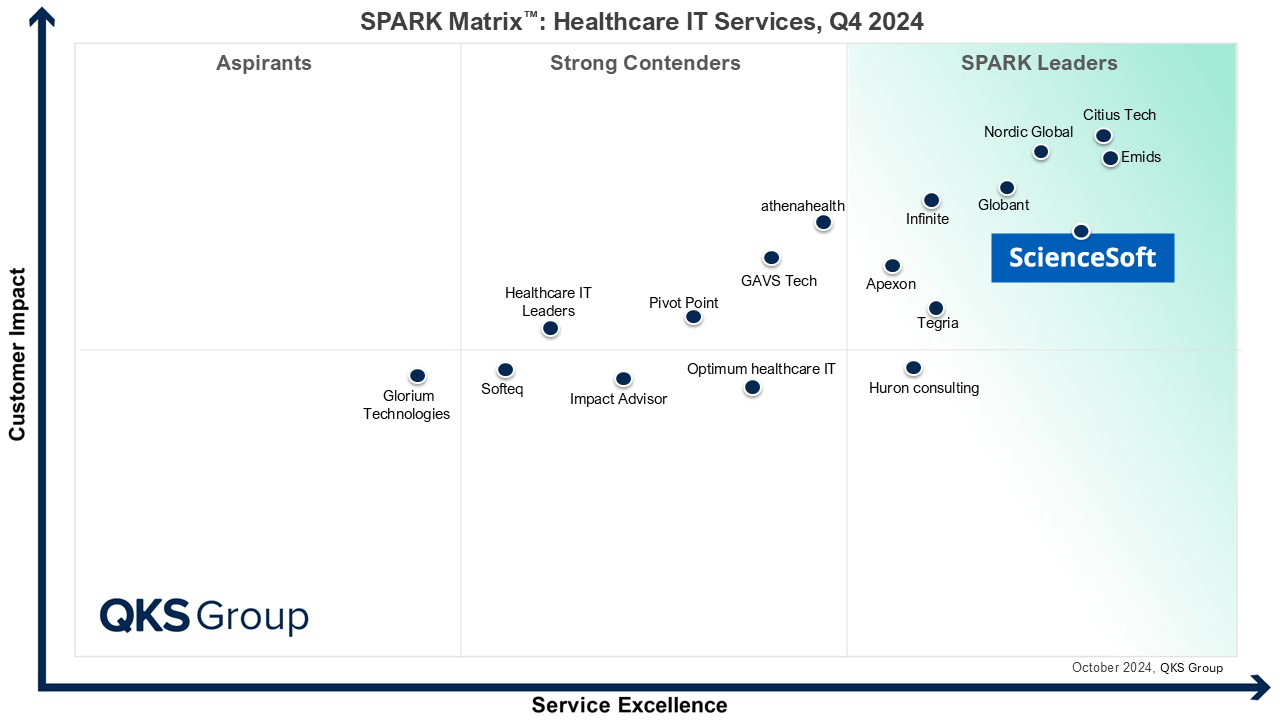
Featured among Healthcare IT Services Leaders in the 2022 and 2024 SPARK Matrix
Recognized for Healthcare Technology Leadership by Frost & Sullivan in 2023 and 2025
Named among America’s Fastest-Growing Companies by Financial Times, 5 years in a row
Four-time finalist across HTN Awards programs
Named among Becker’s Telehealth Companies to Know in 2026
Named Leading Healthcare Software Provider 2026 at GHP’s Healthcare & Pharmaceutical Awards
HIMSS Gold member advancing digital healthcare

ISO 13485-certified quality management system
ISO 27001-certified security management system
